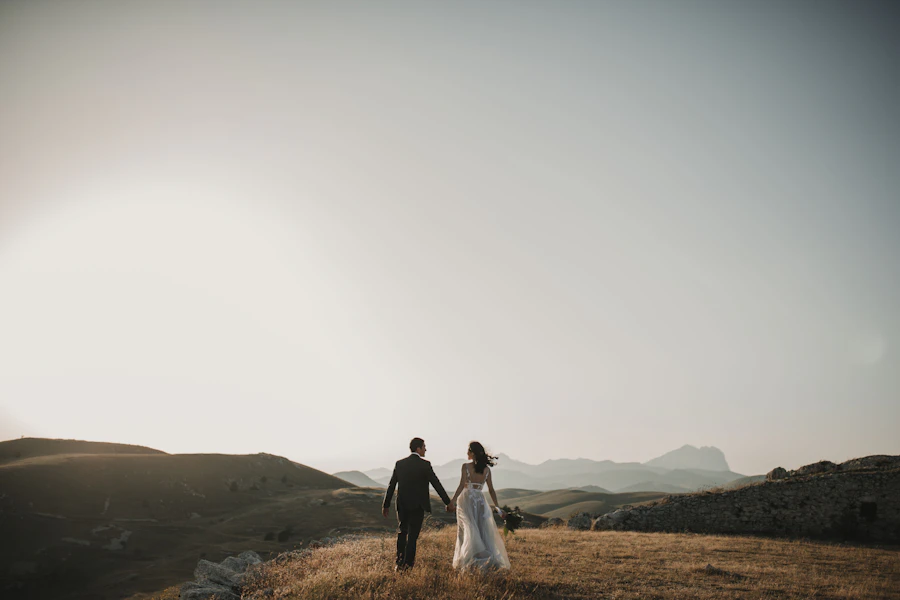
 Lace & court train

The bridal edit
Bridal gowns with room for your own point of view.
Explore shape, structure and finishing details through a focused collection of wedding-dress directions for a ceremony that feels entirely yours.
Choosing a bridal silhouette
Begin with how you want the day to feel.
A bridal gown brings together movement, setting and personal comfort. Use this edit to compare familiar shapes, explore fabric qualities and make a clearer shortlist before the finer details come into view.
Explore fabric swatchesBridal gown collection
Considered starting points.
Six distinct directions drawn from the silhouettes and details featured in this bridal collection.
Browse silhouettes, fabric and setting notes at your own pace.


A clearer fitting process
Use the silhouette as a conversation starter.
There is no single right shape. The most useful comparison considers your preferred coverage, how you would like to move and the balance between the ceremony setting and the overall look.
- 01Set the sceneBegin with formality, season and the surfaces you will move through.
- 02Choose the proportionCompare fitted, flared and full skirts against the feeling you want to create.
- 03Study the fabricNotice structure, weight and how a fabric changes in natural and indoor light.
- 04Refine the detailsConsider neckline, train and finishing touches once the central shape feels right.
What this guide includes
The details worth comparing before you decide.
Keep the process practical with a focused checklist for every bridal direction you explore.
Silhouette notes
Compare A-line, ball gown, mermaid, empire and column proportions.
Fabric guidance
Understand the difference between lace, satin, organza and lighter layers.
Setting cues
Think through indoor, garden, coastal and destination ceremony needs.
Finishing details
Review necklines, train lengths and coordinated veil possibilities.
Helpful answers
Make room for a thoughtful choice.
These practical notes can help make a large bridal collection feel more manageable.
Read more FAQsWhich bridal silhouette should I explore first?
Start with the setting and the movement you expect from the day. An A-line offers a balanced starting point, while fuller, fitted or column silhouettes can then help you identify the proportion that feels most natural.
How should fabric influence my choice?
Fabric affects both structure and mood. Satin tends to read smooth and defined, lace adds texture, and lighter layered fabrics can create more movement. Reviewing swatches helps make these differences clearer.
What train length suits a ceremony?
A shorter brush or court train can work well for easy movement, while a chapel-length train makes more of a formal entrance. Consider the venue floor, the route through the ceremony and how much bustle support may be useful later.
Can a bridal gown work with a wedding-party colour story?
Yes. The bridal gown need not match the party, but its undertone, fabric sheen and level of formality can help guide surrounding colours and textures.
When should I look at veils and accessories?
Once the primary dress direction is clear, veils and finishing pieces are easier to compare. Use them to echo the gown’s texture, scale or level of formality rather than compete with it.
Where can I find fabric inspiration?
Visit the swatches and fabric edit to compare colour families and material qualities as part of a wider wedding-day palette.